
If you’ve been there, you know exactly why SIP termination for call centers isn’t just another tech buzzword—it’s the backbone that keeps your operation running smoothly. Whether you’re managing 50 agents or 5,000, understanding SIP termination can make the difference between seamless customer connections and operational chaos.

What Exactly is SIP Termination for Call Centers?
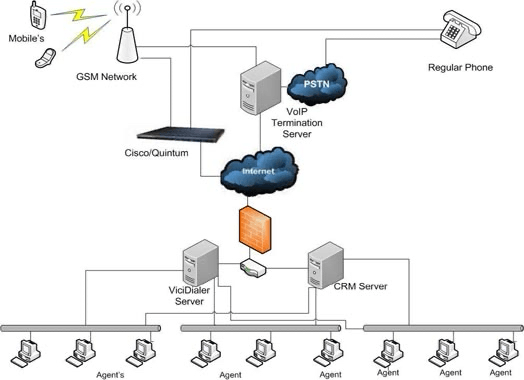
SIP termination is the process that takes your outbound VoIP calls and delivers them to the Public Switched Telephone Network (PSTN) or mobile networks. Think of it as the bridge between your digital call center and the traditional phone world your customers use.
Here’s the simple breakdown:
- Your agent dials a customer number through your VoIP system (mainly VICIDial, OpenSIPS, Kamilio)
- SIP termination provider receives that call via SIP trunk
- Provider routes the call through the most efficient path to reach the customer’s phone
- Customer’s phone rings, connection established
It’s different from SIP origination, which handles inbound calls coming to your call center. Termination is all about getting your outbound calls out efficiently and cost-effectively.
Why US Call Centers Can’t Ignore SIP Termination
The numbers don’t lie. Traditional phone lines can cost US call centers $0.05-$0.15 per minute for domestic calls. SIP termination? Often as low as $0.01-$0.03 per minute.
But cost isn’t the only game-changer:
Scalability That Actually Works Need 200 more concurrent calls during a campaign launch? With SIP termination, you’re talking minutes, not months of infrastructure planning.
Compliance Made Manageable FCC regulations like STIR/SHAKEN and TCPA compliance aren’t suggestions—they’re requirements. Quality SIP termination providers handle the heavy lifting, keeping you compliant while you focus on conversions.
Quality You Can Measure With traditional lines, call quality was often a mystery. SIP termination gives you real-time metrics: Answer Seizure Ratios (ASR), Post Dial Delay (PDD), jitter levels, and Mean Opinion Scores (MOS).
The Compliance Challenge: Navigating FCC Requirements
Let’s address the elephant in the room—compliance. The FCC isn’t playing games with robocall regulations, and neither should you.
STIR/SHAKEN: Your Caller ID Authentication Shield
STIR/SHAKEN technology authenticates caller ID information to prevent spoofing. For call centers, this means:
- Attestation levels matter for call completion rates
- Verified calls get better treatment from carriers
- Non-compliant traffic faces increased blocking
TCPA Compliance for Outbound Campaigns
The Telephone Consumer Protection Act governs how you can contact prospects. Your SIP termination provider should support:
- Opt-out mechanisms that sync with your dialer
- Time zone compliance for calling restrictions
- Do Not Call registry integration
According to the FCC’s 2024 enforcement data, robocall-related fines exceeded $300 million—compliance isn’t optional.
Technical Deep Dive: What Makes SIP Termination Tick
Quality Metrics That Matter
Metric | Good Range | Impact |
ASR (Answer Seizure Ratio) | >65% | Higher = more completed calls |
PDD (Post Dial Delay) | <3 seconds | Lower = faster connection |
Jitter | <30ms | Lower = clearer audio |
MOS (Mean Opinion Score) | >4.0 | Higher = better call quality |
Routing Intelligence
Smart SIP termination providers use Least Cost Routing (LCR) combined with quality-based routing. This means your calls automatically take the most cost-effective path that still meets your quality standards.
Failover routing ensures that if one carrier route fails, your calls automatically switch to backup routes. No more explaining to management why the entire outbound campaign went dark.
Pricing Models: What You’re Really Paying For
Per-Minute Pricing
Most common for US domestic traffic:
- Tier 1 routes: $0.008-0.015/minute (premium quality)
- Tier 2 routes: $0.004-0.008/minute (good quality)
- Tier 3 routes: $0.001-0.004/minute (budget options)
Channel-Based Pricing
Pay for concurrent call capacity:
- Unlimited minutes within your channel limit
- Predictable costs for high-volume operations
- Scalable as you add or remove agents
Volume Commitments
Wholesale pricing for serious players:
- Monthly minimums unlock better rates
- Dedicated routes for consistent quality
- Custom SLAs for enterprise requirements
Choosing Your SIP Termination Provider: The Decision Framework
The Non-Negotiables
- Compliance Support Your provider should handle STIR/SHAKEN attestation, maintain carrier relationships, and provide compliance reporting. One compliance violation can cost more than years of service fees.
- Quality Monitoring Real-time dashboards, API access to quality metrics, and proactive alerting when routes underperform. You can’t manage what you can’t measure.
- Redundancy Architecture Multiple carrier relationships, geographically diverse switching infrastructure, and automatic failover capabilities. Downtime is revenue loss.
- Scalability On-demand channel increases, burst capacity for campaigns, and flexible billing that matches your growth patterns.
The Nice-to-Haves
- 24/7 technical support with actual telecom engineers
- Custom reporting that integrates with your existing systems
- International routing for global customer bases
- API integration with your dialer and CRM systems
International Calling: Beyond US Borders
Many US call centers serve global markets. International SIP termination opens up worldwide connectivity, but comes with considerations:
Route Quality Varies by Destination
- Tier 1 countries (UK, Canada, Australia): Premium routes available
- Tier 2 countries (Most of Europe, Japan): Good quality, moderate pricing
- Tier 3 countries (Developing markets): Quality varies, price-sensitive
Regulatory Compliance Each country has unique telemarketing regulations. Your provider should offer guidance on international compliance requirements.
Technology Integration: Making It Work With Your Stack
Dialer Compatibility
Modern predictive dialers work seamlessly with SIP termination, but configuration matters:
Predictive Dialers benefit from low PDD routes for rapid connections Preview Dialers need consistent quality for agent-customer interactions
Progressive Dialers require reliable routing for steady call flow
CRM Integration
Leading SIP termination providers offer APIs that sync with popular CRM platforms, enabling:
- Real-time call status updates
- Quality metrics integration
- Automated reporting for campaign analysis
Risk Management: What Could Go Wrong
Poor Provider Selection Consequences
Call Quality Issues
- Dropped calls during peak hours
- Audio quality problems affecting customer experience
- High PDD causing customer hang-ups
Compliance Failures
- FCC fines for robocall violations
- Carrier blocking of your traffic
- Reputation damage from spam tagging
Hidden Costs
- Setup fees not disclosed upfront
- Per-minute rate increases without notice
- Technical support charges for basic issues
Cybersecurity Considerations
With increasing cyber threats, call centers must prioritize cybersecurity lessons from recent data breaches. Your SIP termination provider should offer encrypted SIP trunks and secure authentication methods to protect your communication infrastructure from potential vulnerabilities that could compromise customer data and operational integrity.
Building Customer Trust Through Communication Excellence
The way customers perceive your business often starts with that first phone call. Understanding the difference between toll-free vs local DIDs for customer trust can significantly impact your call completion rates and customer perception. Quality SIP termination ensures that whether you’re using toll-free numbers for national campaigns or local DIDs for regional outreach, your calls maintain professional quality and proper caller ID presentation.
Cost Optimization Strategies
Just like startups cutting cloud costs while maintaining security, call centers need strategic approaches to optimize SIP termination expenses:
Traffic Analysis
- Monitor destination patterns
- Identify peak calling times
- Optimize routing based on actual usage
Route Testing
- A/B test different providers
- Compare quality metrics across routes
- Balance cost savings with quality requirements
Contract Optimization
- Negotiate volume discounts
- Consider hybrid pricing models
- Plan for seasonal traffic fluctuations
Operational Excellence and Supply Chain Thinking
Effective call center operations require thinking about your communication infrastructure like a supply chain. Just as businesses focus on healthy supply chain management for growth, your SIP termination strategy should ensure redundant providers, diverse routing options, and reliable backup systems. This approach minimizes single points of failure and ensures consistent service delivery to your customers.
The Future of SIP Termination
AI-Powered Routing
Machine learning algorithms are beginning to optimize call routing in real-time, considering:
- Historical quality data for each route
- Current network conditions
- Cost optimization based on campaign ROI
Enhanced Analytics
Next-generation providers offer:
- Predictive quality scoring before calls are placed
- Real-time fraud detection and prevention
- Campaign performance correlation with routing decisions
Implementation Best Practices
Phase 1: Assessment and Planning
- Audit current costs and quality metrics
- Define requirements for volume, destinations, and quality
- Evaluate compliance needs and current gaps
Phase 2: Provider Selection and Testing
- RFP process with multiple providers
- Test calling to your actual customer base
- Quality comparison using consistent metrics
Phase 3: Migration and Optimization
- Gradual traffic migration to minimize risk
- Continuous monitoring of quality and costs
- Regular optimization based on performance data
Measuring Success: KPIs That Matter
Operational Metrics
- Call completion rate (target: >85%)
- Average call duration (varies by industry)
- Agent productivity (calls per hour)
Financial Metrics
- Cost per completed call
- Revenue per minute of agent time
- ROI on termination investment
Quality Metrics
- Customer satisfaction scores
- First call resolution rates
- Callback rates due to quality issues
Common Pitfalls to Avoid
Choosing Based on Price Alone
The cheapest option often becomes the most expensive when you factor in:
- Lost sales from dropped calls
- Agent time wasted on failed connections
- Compliance violations and fines
Ignoring Scalability
Your provider should grow with you. Consider:
- Peak capacity requirements
- Geographic expansion plans
- Integration capabilities with new systems
Inadequate Testing
Never go live without thorough testing:
- Test during your actual peak hours
- Call your real customer demographics
- Monitor quality metrics for at least 30 days
Conclusion: Your Next Steps
SIP termination for call centers isn’t just about connecting calls—it’s about connecting with customers efficiently, compliantly, and cost-effectively. The right provider and strategy can transform your operation from a cost center into a revenue driver.
Ready to optimize your call center’s communication infrastructure?
Start by auditing your current costs and quality metrics. Then, use this guide to evaluate providers based on compliance support, quality monitoring, and scalability. Remember: the cheapest option rarely delivers the best ROI when you factor in call completion rates and customer experience.
What’s your biggest challenge with outbound calling? Share your experiences in the comments below, and let’s discuss solutions that work for real call center operations.
Want more insights on optimizing your call center technology stack? Subscribe to our newsletter for weekly updates on telecom trends, compliance changes, and cost optimization strategies.